Hair transplant in Turkey: methods, recovery and who it suits
A hair transplant moves follicles from the back and sides of the head to areas that are thinning or bald. This page brings together the techniques, the procedure day and the recovery calendar.
Written by: Royce Hair Lab editorial teamLast updated:
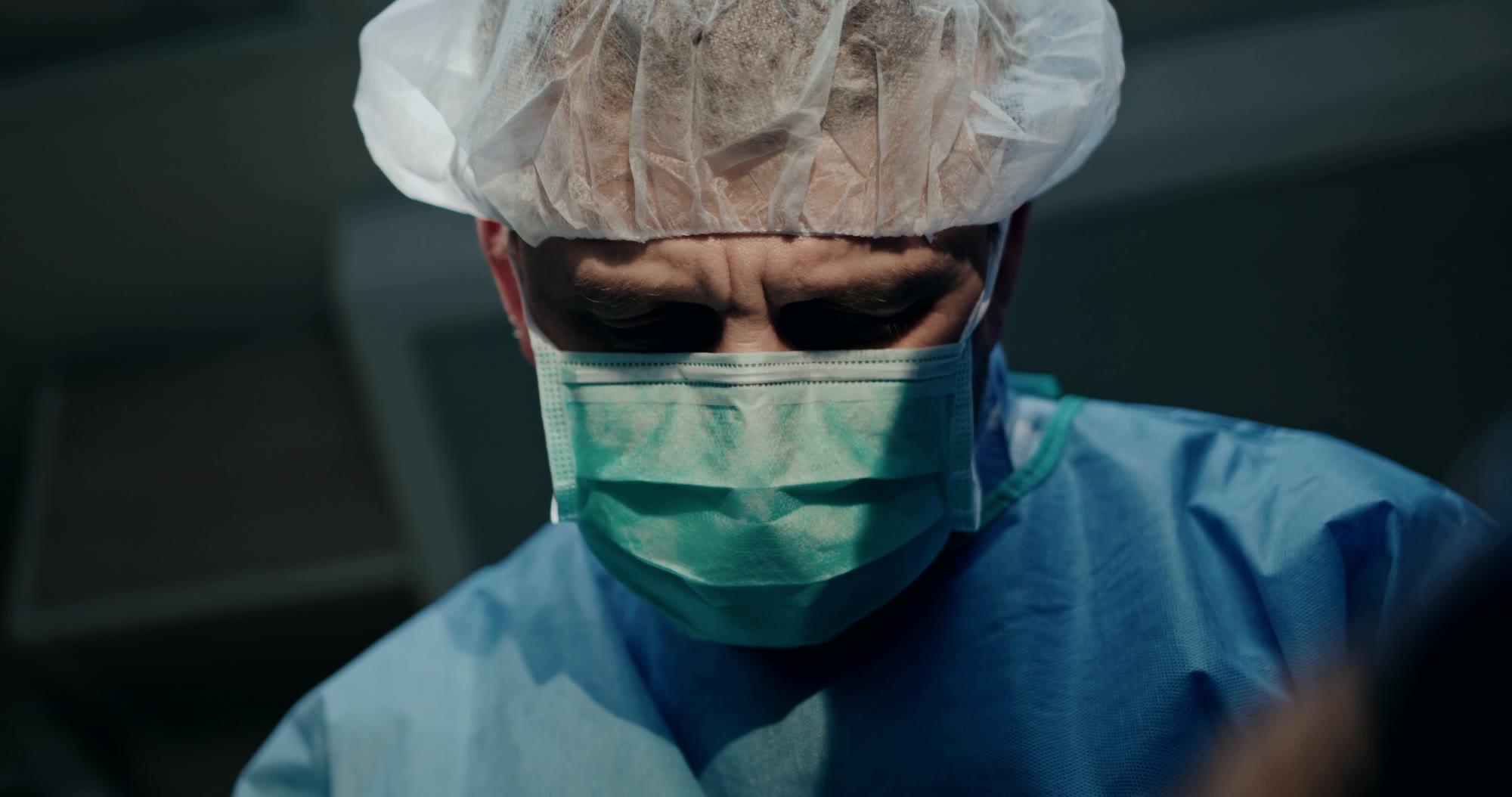
With any surgical or interventional procedure, results vary from person to person. You are advised to get a detailed opinion from your doctor before the procedure. Images are representative; they do not show our clinic or real patients.
How is a hair transplant done?
A hair transplant is done under local anaesthesia, usually in a single session. Follicles are taken one by one from the donor area at the back and above the ears, then placed in the thinning area following the direction and angle of a natural hairline.
Donor follicles are genetically more resistant to DHT, the hormone behind male pattern hair loss, so they are expected to keep growing where they are placed. Loss of your existing hair is a separate process that needs follow-up; your doctor may suggest supporting treatment.
Techniques
- [DHI hair transplant](/en/dhi-hair-transplant): follicles are implanted with a Choi pen that opens the channel and places the follicle at the same time. Often chosen where direction and density matter, such as the hairline.
- [FUE hair transplant](/en/fue-hair-transplant): follicles are extracted one by one, channels are opened, then follicles are placed. Used to cover larger areas.
- [Beard transplant](/en/beard-transplant) and [eyebrow transplant](/en/eyebrow-transplant): the same principle with single-hair follicles on the face.
The technique is chosen at the consultation from donor density, the size of the area, hair thickness and your goals. Many plans combine both.
Who is a good candidate?
The key criterion is a sufficient donor area. In general, good candidates:
- Have male pattern hair loss that has settled into a pattern,
- Have enough healthy follicles in the donor area,
- Have hair loss from scars, burns or injuries in some cases,
- Are healthy enough for a procedure under local anaesthesia.
A transplant is not advised with some active scalp conditions (for example widespread alopecia areata), an insufficient donor area or uncontrolled chronic illness. Suitability is decided at the consultation.
How many grafts do I need?
A graft is a natural group of one to four hairs. The number needed depends on the stage of loss. General ranges in the literature by Hamilton–Norwood stage:
| Stage | General range |
|---|---|
| Norwood 2 | 1,000–1,500 grafts |
| Norwood 3 | 1,500–2,200 grafts |
| Norwood 4 | 2,200–3,000 grafts |
| Norwood 5 | 3,000–3,800 grafts |
| Norwood 6–7 | 3,800 grafts and more, limited by the donor area |
These ranges only give an idea. The exact number is set after the donor area is examined with a dermatoscope. To see your own range, fill in the online hair analysis.
What happens on the day?
- The hairline is drawn together with you and photographed.
- Local anaesthesia is given in the donor and recipient areas.
- Follicles are extracted one by one and kept in a suitable solution.
- Follicles are placed using the chosen technique.
- The donor area is dressed and written aftercare instructions are given.
The procedure usually takes 6 to 8 hours, with breaks and a meal. You return to your hotel the same day.
Recovery calendar
The first wash is usually on day 2 or 3. Scabs fall within 10–14 days. Between months 1 and 3, some transplanted hairs shed (shock loss), which is expected. New hairs start from month 3; the result is assessed at month 12, sometimes month 18 for the crown. See the hair transplant timeline for details.
Where should a hair transplant be done?
Under Turkey's Regulation on Hair Transplant Units of 6 May 2023, hair transplant units may only be opened inside licensed health institutions such as hospitals, medical centres and polyclinics, and the channel-opening stage may only be performed by authorised physicians. Royce Hair Lab works within VM Medical Park Mersin Hospital.
Common questions
- 01
Usually 6 to 8 hours, depending on the number of grafts and the technique.
- 02
In FUE and DHI follicles are taken through openings smaller than 1 mm. After healing, small dots may be visible in the donor area with very short hair; at normal length they are usually not seen.
- 03
Some transplanted hairs shed in the first months (shock loss) while the roots stay and grow back. Donor follicles are expected to keep growing where they are placed.
- 04
There is no strict limit, but a transplant done before the hair loss pattern settles may leave new gaps in later years, so plans for younger patients are more cautious.