Hair transplant timeline: day one to month twelve
This calendar is a general guide. Healing speed varies with age, skin type and aftercare.
Written by: Royce Hair Lab editorial teamLast updated:
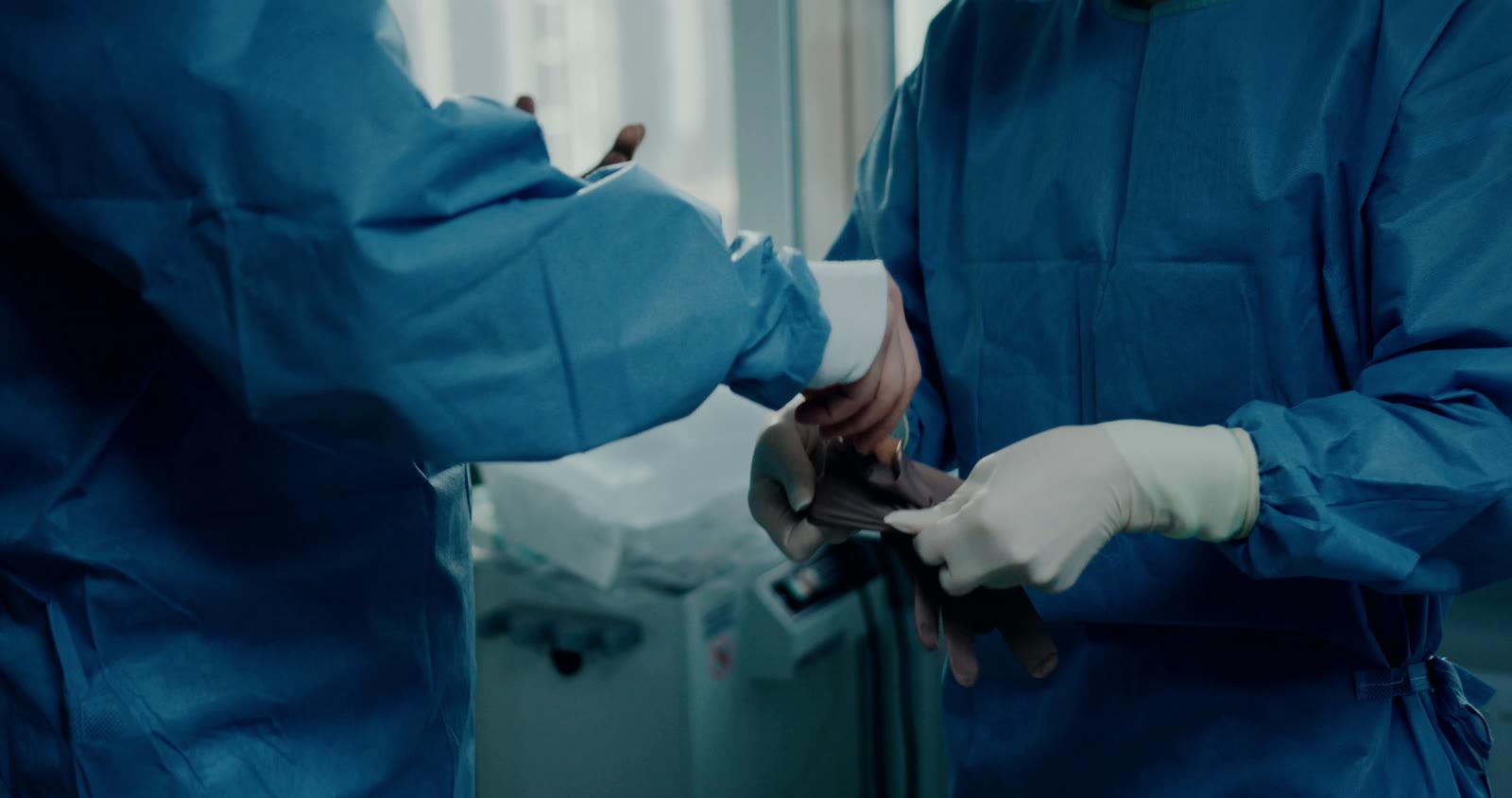
With any surgical or interventional procedure, results vary from person to person. You are advised to get a detailed opinion from your doctor before the procedure. Images are representative; they do not show our clinic or real patients.
Before the procedure
- If you take blood thinners, always ask your doctor before stopping them.
- Stop smoking and alcohol a week before the procedure.
- Have a light breakfast on the day and wear a comfortable shirt that buttons at the front.
The first 15 days
| When | What happens |
|---|---|
| Day 1 | The donor area is dressed. Sleep with your head slightly raised. |
| Days 2–3 | The first wash is done at the clinic; home washing is shown step by step. |
| Days 3–5 | Swelling may move down to the forehead and fades in a few days. Desk work can resume. |
| Days 7–10 | Itching may increase; do not scratch and follow the washing routine. |
| Days 10–14 | Scabs come off with regular washing. Mild redness may remain. |
The first year
| When | What happens |
|---|---|
| Months 1–3 | Shock loss: some transplanted hairs shed while the roots stay. |
| Months 3–4 | New hairs start to grow, fine and sparse. |
| Months 5–8 | Hairs thicken and density increases clearly. |
| Month 12 | Most of the result is visible; check-up. |
| Months 12–18 | The crown may continue to mature. |
Aftercare essentials
- No tight hats pressing on the area for 10 days; a loose hat is fine.
- Wait about a month for heavy sport, swimming pools, the sea and sauna.
- Protect the scalp from the sun for the first two weeks and keep using sun protection for a while.
- No smoking or alcohol for the first two weeks.
- Use supporting treatments (such as minoxidil, finasteride or PRP) only on your doctor's advice.