Beard transplant
In a beard transplant, single-hair follicles taken from the back of the head are placed in sparse or empty beard areas following the line of your face.
Written by: Royce Hair Lab editorial teamLast updated:
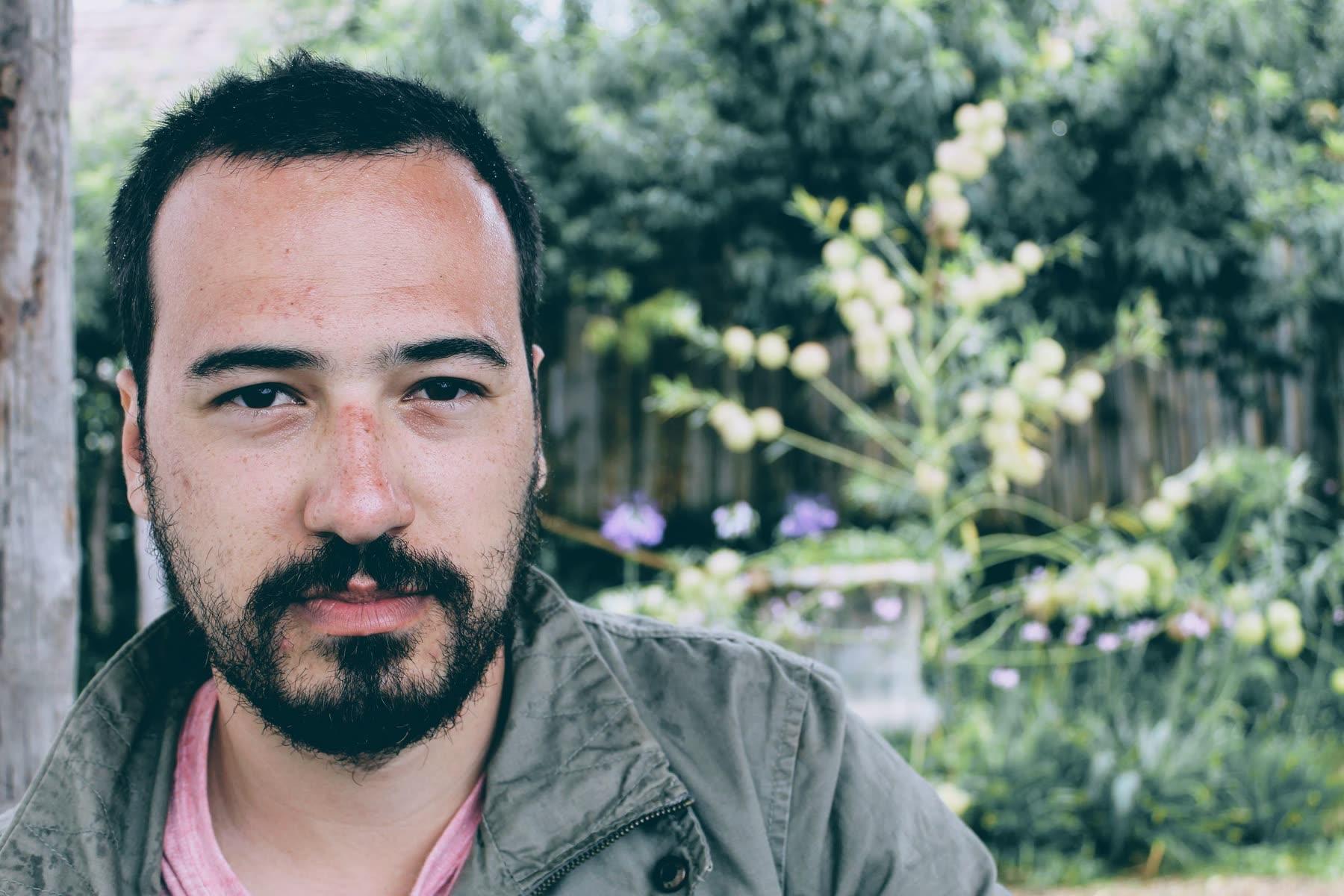
With any surgical or interventional procedure, results vary from person to person. You are advised to get a detailed opinion from your doctor before the procedure. Images are representative; they do not show our clinic or real patients.
Who is a beard transplant for?
- Men with a genetically sparse or patchy beard,
- Those who want a sharper cheek line, moustache or goatee,
- Those with gaps from scars or burns.
A suitable donor area and healthy facial skin are required.
How many grafts?
It depends on the area. A cheek line may need a few hundred grafts; a full beard usually needs between 2,000 and 4,000. The exact number is set at the consultation.
How is it done?
Follicles are taken from the back of the head with FUE. Because beard hair leaves the skin at a very low angle, placement is usually done with the DHI pen so the hairs follow the natural flow of your beard.
After a beard transplant
Expect mild redness and small scabs in the first days. Do not rub your face when washing in the first week. Scabs fall within 7–10 days. You can usually shave after 10 to 14 days; wait for your doctor's approval before using a razor or clippers. After shock loss new hairs grow, and the result is assessed at 6 to 12 months.
Common questions
- 01
Yes. Once healed, transplanted hairs can be shaved and grown like the rest of your beard.
- 02
Follicles are placed in very small channels, so no scars are expected on the face after healing. Early redness is temporary.